Bulky rubbish collection Primrose Hill residents guide
Posted on 09/08/2026
Bulky waste has a way of building up quietly. One chair gets replaced, a mattress is moved into the hallway, the old wardrobe stays in the spare room "for now", and suddenly the flat feels smaller than it should. If you live in Primrose Hill, you also know the practical side of getting rid of large items can be awkward: tight stairwells, permit restrictions, busy streets, and not much space to leave things out of the way.
This Bulky rubbish collection Primrose Hill residents guide is here to make the process feel less messy and much more manageable. We'll cover what bulky rubbish collection actually means, how it typically works in a London setting, what to prepare before booking, common mistakes to avoid, and how to choose the most sensible disposal route for your home, garden, flat share, or landlord-managed property. No fluff. Just useful, local-minded guidance.
For residents comparing waste options across Camden, it can also help to understand the broader service landscape. If you want a bigger picture of what's available, you may find the site's services overview useful alongside this guide. And if you're trying to keep disposal costs under control, the section on pricing and quotes is worth a look too.
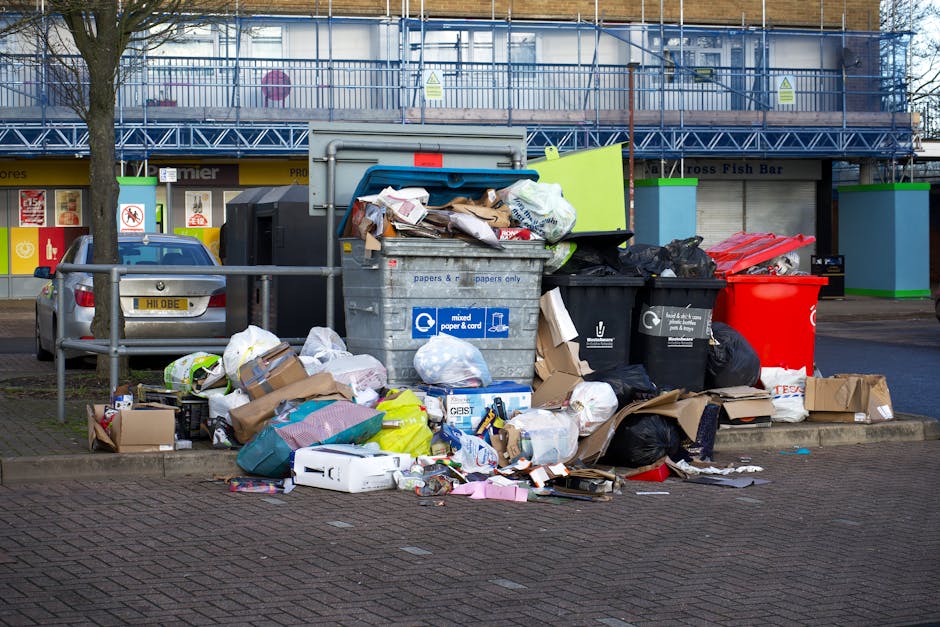
Why Bulky rubbish collection Primrose Hill residents guide Matters
Bulky rubbish collection is not just a convenience. In a neighbourhood like Primrose Hill, it can be the difference between a quick, tidy clear-out and a week of clutter, frustration, and awkward lifting. Large items take up real space, and in smaller London homes that space matters. A broken sofa in a living room is not simply ugly; it gets in the way of daily life, cleaning, and even moving furniture around safely.
There's also the practical reality of access. Terraced homes, basement flats, mansion blocks, and converted properties often make item removal harder than people expect. A bulky item may be easy to lift in theory, but getting it down a narrow staircase or through a shared entrance is another matter entirely. To be fair, the item itself is often the easy part. The route out is what causes the headache.
This guide matters because it helps you think ahead. If you know what counts as bulky waste, what needs disassembly, and which items need special handling, you can avoid failed collections and unnecessary extra work. That matters whether you are clearing out after a move, tidying a rental property, or dealing with a one-off household overhaul.
Primrose Hill residents also tend to value a neat streetscape and considerate neighbour relations. Nobody wants a hallway blocked by old furniture for longer than needed, or a pile outside attracting complaints. A clean, swift collection is not just practical. It is neighbourly. And in London, that counts for a lot.
How Bulky rubbish collection Primrose Hill residents guide Works
At its simplest, bulky rubbish collection means removing large household or commercial items that are too awkward for standard waste bins. Think mattresses, wardrobes, settees, tables, white goods, dismantled furniture, and similar oversized pieces. In practice, the process usually starts with identifying the items, deciding whether they can be reused, recycled, or disposed of, and then booking the right type of collection.
For many residents, the flow looks something like this:
- You list the items that need removing.
- You check whether any can be donated, repaired, or reused.
- You separate bulky waste from general rubbish and hazardous materials.
- You make sure access is clear on collection day.
- You choose a service that can handle the job safely and legally.
- The team removes the items and sorts them for the most appropriate disposal route.
That sounds straightforward, but the useful detail is in the preparation. A wardrobe that is already dismantled is much easier to handle than one that still needs to be taken apart on the spot. A fridge that has been emptied and unplugged is easier to move than one still sitting in a tight kitchen corner. Small things, big difference.
It helps to think of bulky rubbish collection as a logistics problem, not just a lifting job. Where is the item? How heavy is it? Does it require two people or more? Is there a lift? Are there parking restrictions? These questions determine how smooth the process will be.
If your bulky items are part of a wider clear-out, the information on house clearance can be helpful, especially when you are dealing with more than just one or two pieces. For renovation-related loads, the dedicated page on builders waste disposal Camden is also relevant.
Key Benefits and Practical Advantages
There are several reasons Primrose Hill residents choose a dedicated bulky waste collection rather than trying to manage everything themselves. Some are obvious, others only become obvious after you've tried lifting a sofa down two flights of stairs and nearly regretted every life decision that led there.
- Less physical strain: Heavy items are awkward, especially in older buildings or tight communal spaces.
- Faster turnaround: A booked collection can clear a room in one visit instead of stretching over several weekends.
- Cleaner disposal: Items are usually sorted so recyclable materials can be separated where possible.
- Reduced disruption: You avoid leaving bulky waste in hallways, front gardens, or shared entrances.
- Better planning: The process encourages you to organise your space properly before the item leaves.
- Safer handling: Trained movers can manage awkward loads more safely than a rushed DIY attempt.
There's another advantage that people sometimes overlook: peace of mind. When large items are gone, the whole room feels lighter. Not metaphorically only, either. You can open a window, sweep properly, rearrange furniture, and make the space useful again.
If sustainability matters to you, this is also a chance to make a better decision about where your waste goes. The site's recycling and sustainability page is a useful companion read for anyone trying to dispose of bulky items with a lighter environmental footprint.
Who This Is For and When It Makes Sense
This guide is for anyone in Primrose Hill who has large, unwanted items and wants a sensible way to deal with them. That might be a homeowner clearing out a spare room, a tenant moving out, a landlord dealing with end-of-tenancy furniture, or a family replacing multiple items at once.
It makes sense to arrange bulky rubbish collection when:
- you have one or more large items that will not fit into regular bins;
- you need items removed quickly before moving, decorating, or handing back keys;
- you cannot safely transport the items yourself;
- you live in a building where manoeuvring bulky waste is difficult;
- you want to avoid multiple trips to a reuse or disposal facility;
- you need to clear a property after a change in household circumstances.
It's also useful for people hosting events or refreshing a property. A dinner table that no longer fits your layout, a broken garden bench, or old shelving from a home office can all be removed in one go. If the job is larger than a single item, the distinction between bulky waste and full clearance starts to matter a lot.
For local context beyond the waste angle, some residents also like to read about the area itself. The posts on living in Camden and Camden's local spots add a bit of neighbourhood perspective, which is oddly useful when you're planning how and when to clear a property.
Step-by-Step Guidance
Here's a practical way to approach bulky rubbish collection without overcomplicating it. Keep it simple and work through the job in order.
1. Identify everything that needs removing
Walk through the property and separate bulky items from general rubbish. You'd be surprised how often people book a collection for one sofa and then remember an old desk, an exercise bike, and a broken chest of drawers. Make the list first. Saves time later.
2. Sort items into reusable, recyclable, and disposable categories
Some pieces may still have life left in them. Others may be damaged beyond reasonable reuse. If an item can be reused safely, that's usually worth considering before disposal. Not every item needs to be binned just because it is inconvenient.
3. Check for anything that needs special handling
White goods, electrical items, and materials that may be contaminated or hazardous should be treated carefully. Don't guess. If something contains refrigerant, sharp parts, or unknown materials, it should be handled with extra caution.
4. Measure access points
Check doorways, stairwells, lifts, side alleys, parking areas, and any shared access routes. A lot of collections become complicated because the item fits in the room but not in the exit path. A tape measure is not glamorous, but it is useful. Very useful.
5. Prepare the item for removal
Empty drawers, remove loose parts, and dismantle large pieces if that is practical and safe. If you can take the legs off a table or remove a mattress cover, do it. Small preparation usually means smoother removal.
6. Choose the right service
Select a provider that understands local access issues, recycling expectations, and safe handling. If you're comparing broader waste support, the page on waste removal Camden is a useful starting point for understanding service scope.
7. Clear the route on collection day
Make sure hallways are free, pets are secured, and parking arrangements are as clear as possible. If you've ever watched two people try to turn a wardrobe corner-first through a narrow doorway, you'll know why this matters.
8. Confirm what happens after removal
Ask how the waste will be handled. Responsible collection should prioritise reuse and recycling where possible, with landfill used only when necessary. That's the direction most residents want to head in anyway.
Expert Tips for Better Results
In our experience, the best bulky rubbish jobs are the ones that are slightly over-prepared. Not obsessively prepared. Just enough. That sweet spot.
- Take photos before booking: A few clear pictures help explain the size, condition, and location of items.
- Stack nearby small loose items separately: Keep screws, cushions, and accessories together so they don't get lost in the shuffle.
- Disassemble only when it is safe to do so: Some furniture comes apart easily; some doesn't. Avoid forcing it.
- Think about timing: Early morning or quieter periods can reduce disruption, especially in shared buildings.
- Protect floors and walls if access is tight: Old stair rails and freshly painted walls do not mix well with bulky furniture edges.
- Label items that must stay: This sounds basic, but it prevents mistakes during a rushed clear-out.
If you're planning work in a home office or clearing a property used for work, the page on office clearance Camden may also be relevant. And for anyone dealing with garden furniture or green waste alongside bulky items, garden waste removal Camden can offer a better fit than a general collection.
A small but useful tip: don't leave the booking conversation until the last possible minute. The more specific you are about the items and access, the less likely you are to have awkward surprises on the day. That one saves stress, honestly.

Common Mistakes to Avoid
Most bulky collection problems are avoidable. They come from rushing, guessing, or assuming the item will be simpler to remove than it is.
- Forgetting to check access: The sofa may fit the room, but does it fit the stairwell?
- Mixing hazardous items with standard bulky waste: Some materials need separate handling.
- Waiting too long to book: Last-minute arrangements often cause avoidable stress.
- Leaving items half-dismantled and unstable: That can make lifting more awkward and sometimes less safe.
- Assuming every item is accepted the same way: White goods, mattresses, and electricals can vary in how they are handled.
- Ignoring neighbours or building rules: In shared housing, a quick heads-up can prevent complaints.
Another common slip is underestimating how much junk has accumulated around the main bulky item. You start with "just the bed" and end up with three bags of random bits, a lamp, and a broken chair. Classic. It happens.
Tools, Resources and Recommendations
You do not need a van full of gear to manage bulky waste sensibly, but a few tools make life easier.
- Measuring tape: Essential for checking item dimensions and exit routes.
- Basic screwdriver set: Useful for dismantling simple furniture where appropriate.
- Heavy-duty gloves: Helpful for grip and minor protection when handling rough edges.
- Furniture sliders or blankets: Good for moving items across floors without unnecessary damage.
- Labels or masking tape: Handy when sorting what stays and what goes.
- Phone camera: Perfect for documenting item condition or access points before booking.
For practical reading, the following pages can support your decision-making without sending you down a rabbit hole:
- rubbish collection Camden for a broader local service view
- pricing and quotes when you want to compare costs sensibly
- insurance and safety if you want reassurance around handling and risk
- about us if you want to know more about the company behind the service
There's also a useful local guide for people nearby in NW1: the Camden Town NW1 rubbish collection guide. It offers helpful nearby context without overcomplicating things.
Law, Compliance, Standards, or Best Practice
When bulky rubbish is being removed in the UK, the safest approach is to follow standard waste-handling best practice and be cautious about what you put together for collection. You do not need to memorise regulations to make a good decision, but you should avoid leaving anything risky to chance.
As a rule of thumb, keep these points in mind:
- Do not mix hazardous materials with ordinary bulky waste.
- Make sure items are presented safely for collection. If something is unstable or likely to fall apart, prepare it first.
- Check whether electricals or appliances need separate handling.
- Use a provider that can demonstrate sensible waste management practices.
- Respect shared-building rules, access arrangements, and neighbour considerations.
In plain English: if an item could injure someone, leak something, or create a mess in transit, treat it with extra care. That's just good practice. Nothing fancy, just common sense applied properly.
If your booking involves payment, it can also be reassuring to review the site's payment and security information. For the legal side of using the website and services, the pages on terms and conditions and privacy policy are the obvious places to look. There's no drama there, just standard due diligence.
Options, Methods, or Comparison Table
Not every bulky item needs the same solution. Sometimes a straightforward collection is enough. Sometimes you need something broader, especially if the job has moved from a single item to a whole-room clear-out.
| Option | Best for | Pros | Watch-outs |
|---|---|---|---|
| Single bulky item collection | One or two large pieces | Quick, simple, minimal disruption | Less efficient for bigger loads |
| Bulky waste collection with sorting | Mixed items that may include reusable or recyclable pieces | Better environmental handling, cleaner process | Needs more preparation and clear item grouping |
| House clearance | Multiple rooms or full-property clear-outs | More comprehensive, good for moves or end-of-tenancy | Requires more planning and access coordination |
| Specialist waste removal | Items needing closer handling or broader waste support | Useful for complex jobs | May need better item description before booking |
For many Primrose Hill residents, the decision is really about scale. A broken armchair is one thing. An emptying of a whole flat after renovation is another. Choose the simplest option that genuinely covers the job. No need to overbuy the solution, but don't undershoot it either.
Case Study or Real-World Example
Picture a typical Primrose Hill flat clear-out. A resident has replaced a bed frame, a mattress, a bedside table, and an old shelving unit. The items are all large enough to be awkward, but not so many that a full clearance is needed. The stairwell is narrow, and the building has shared access, so leaving everything in the hall would be a bad idea.
The resident starts by measuring the bed frame and checking whether it can be dismantled safely. They remove loose drawers, bundle fixings into a labelled bag, and clear a path from the bedroom to the front door. The mattress is wrapped or prepared as needed, and the shelving unit is taken apart to reduce its footprint. One extra box of mixed clutter is set aside because it is not bulky waste and needs its own decision.
On the day, the route is clear, the collection is faster, and nobody has to stop mid-job to move a plant pot or shoe rack out of the way. The whole thing feels calmer. Not dramatic, just clean and orderly. That's usually the difference between a stressful clear-out and a decent one.
This sort of scenario is also why local context matters. Older London properties, shared entrances, and time-limited parking can all change the plan. A good bulky collection is not just about removing waste; it is about fitting the removal into real life without turning your day upside down.
Practical Checklist
Use this quick checklist before booking or on collection day.
- Have I listed every bulky item that needs removing?
- Have I separated reusable items from waste?
- Have I checked whether anything is hazardous or needs special handling?
- Have I measured doorways, stairwells, and lifts?
- Have I confirmed parking or access arrangements if needed?
- Have I dismantled any item that can be safely taken apart?
- Have I cleared the route to the collection point?
- Have I kept screws, cables, and loose parts together?
- Have I checked building rules or informed neighbours where appropriate?
- Have I decided whether this is a single-item job or a larger clearance?
Expert summary: The smoothest bulky rubbish collections are the ones that start with good preparation. Measure first, sort carefully, clear the route, and match the service to the actual job rather than the job you hope it is. That small bit of discipline saves time, money, and a surprising amount of annoyance.
Get a free quote today and see how much you can save.
Conclusion
Bulky rubbish collection in Primrose Hill is easiest when you treat it like a small project rather than a quick fix. A bit of planning, some basic sorting, and a clear idea of the item sizes can make the difference between a tidy, same-day solution and a frustrating back-and-forth. That's the real takeaway here.
If you are clearing a single item, preparing a move, or dealing with a larger household job, the best path is usually the one that balances speed, safety, and responsible disposal. Keep the access clear, avoid mixing problem items with ordinary bulky waste, and choose a collection approach that genuinely fits the scale of the job.
For residents in and around Primrose Hill, that means less clutter, less stress, and a home that feels usable again. Simple really. And always worth doing properly.
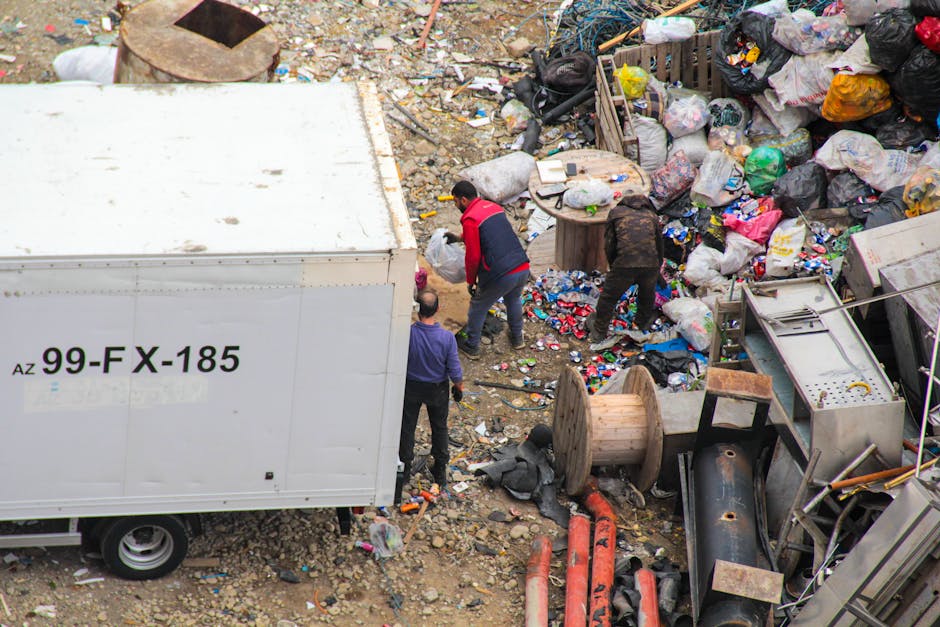
 Tipper Van - Rubbish Collection and Rubbish Removal Prices in Camden, NW1
 Luton Van - Rubbish Collection and Rubbish Removal Prices in Camden, NW1